
Budget Smart Home Construction in Bangalore
Smart home construction is one of the most significant investments you will ever make. While the initial home cost can be overwhelming, the long-term savings can make all the difference. By implementing smart home construction in Bangalore and practising during construction, homeowners in Bangalore can significantly reduce their ongoing expenses, including energy bills, water costs, and maintenance. Here are the best house-building practices to help you save money down the road.
How can we improve smart home construction in Bangalore?
- Energy-Efficient Designs – Implement solar panels, rainwater harvesting, and passive cooling techniques for sustainable living.
- IoT-Enabled Automation – Integrate AI-driven security, smart lighting, and climate control for enhanced convenience.
- Sustainable Materials – Use eco-friendly, durable building materials to reduce environmental impact.
- Smart Home Security – Deploy biometric access, AI-powered surveillance, and cybersecurity measures for better protection.
- Voice-Control & AI Assistants – Enable hands-free control for appliances, lighting, and security systems.
- Adaptive Home Tech – Include self-regulating temperature controls and automated blinds for improved energy efficiency.
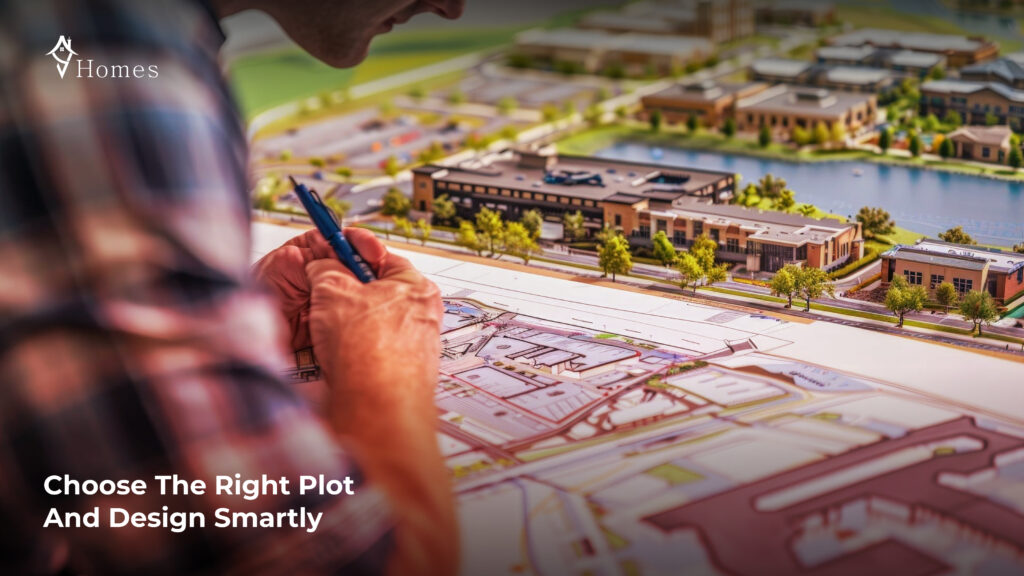
1. Choose the Right Plot and Design Smartly
One of the first steps in building a cost-effective smart home construction in bangalore is selecting the right plot. While areas close to central Bangalore or well-developed regions might be more expensive initially, they can save you money in the long run by reducing transportation and utility setup costs. For instance, plots near main roads or with good access to infrastructure like schools, hospitals, and markets can cut down on travel expenses and increase the long-term value of your property.
Once you have the right plot, it’s essential to work on a smart, efficient design. Simple, straightforward designs with fewer unnecessary elements not only save on material costs but also reduce the chances of errors during construction. Choose a contractor familiar with Bangalore’s local regulations and weather patterns, as this will help avoid costly mistakes and delays. A well-thought-out design will minimise waste and create a home that serves your needs without unnecessary frills
2. Use Local and Sustainable Materials
Materials play a crucial role in determining both the initial and long-term costs of your home. Opting for locally sourced materials, such as bricks, cement, and sand, can help cut down on transportation costs, which are often a hidden expense in smart home construction. In Bangalore, where material costs can fluctuate, choosing local suppliers not only helps control your budget but also supports the community.
In addition to local materials, consider using sustainable options such as fly ash bricks or stabilised mud blocks. These materials are eco-friendly and offer excellent insulation properties, which can reduce the need for heating or cooling throughout the year. This translates into significant savings on your energy bills. Sustainable materials are also often more durable, which means fewer repairs and lower maintenance costs over time.
3. Invest in Energy-Efficient Features
Energy efficiency is one of the easiest ways to reduce long-term home costs. In a city like Bangalore, where temperatures can vary significantly between seasons, investing in energy-efficient features is a must. Passive solar designs, which maximise natural light and ventilation, can drastically cut down on your need for artificial lighting and air conditioning. Positioning your home to take advantage of Bangalore’s climate, such as placing large windows in areas that receive plenty of natural light, can help maintain a comfortable indoor temperature without relying heavily on electricity.
Another key investment is installing solar panels. While the initial cost may seem high, solar panels offer substantial savings over the years by reducing your reliance on grid electricity. Bangalore’s sunny climate makes it an ideal location for solar energy, and with government incentives for renewable energy, the payback period is often quicker than expected. Solar panels can be used to power lighting, appliances, and even heating systems, further reducing your monthly utility bills
4. Water Management: Rainwater Harvesting and Greywater Recycling

Bangalore has experienced severe water shortages in recent years, so effective water management systems are essential for any new home. Installing a rainwater harvesting system can significantly reduce your dependence on municipal water supplies. Rainwater can be used for tasks like gardening, flushing toilets, and even drinking when properly filtered. These systems are relatively easy to install during construction and can save a considerable amount on your water bills, especially during Bangalore’s dry seasons.
Greywater recycling is another practical solution that can be implemented during the building phase. Greywater refers to wastewater from sinks, showers, and washing machines. This water can be treated and reused for non-potable purposes, such as irrigating gardens or flushing toilets. Not only does this reduce water consumption, but it also helps lessen the burden on local sewage systems, making it an environmentally friendly choice that saves money.
5. Avoid Mid Home Construction Changes
Once your home construction begins, it’s crucial to stick to your plan. Making changes halfway through the project can result in unnecessary costs, as alterations often require additional labour and materials. In Bangalore, where labour costs are on the rise, last-minute changes can quickly inflate your budget. Whether it’s a change in the floor plan or deciding to add extra features, these alterations can also delay the construction timeline, leading to further financial strain.
To avoid this, make sure all decisions are finalised before breaking ground. This includes selecting materials, finalising the design, and agreeing on the timeline with your contractor. A solid plan will keep you on budget and prevent unforeseen expenses from cropping up during the build.
6. Sustainable Building Technologies
New technologies in the construction industry can help save both time and money. One such advancement is the use of prefabricated building materials. Prefabricated walls, roofs, and other components are manufactured off-site and assembled on-site. This reduces labour costs and speeds up the construction process, which can help avoid delays and cost overruns. Prefabricated materials also tend to be more energy-efficient and durable, resulting in lower maintenance costs down the line.
Incorporating smart home technologies during construction is another way to future-proof your home. Smart thermostats, energy-efficient lighting systems, and automated appliances can all help reduce energy consumption. These technologies allow you to monitor and control your home’s energy usage, ensuring that you are not wasting power unnecessarily.
7. Plan for Long-Term Maintenance

When planning Smart Home Construction in Bangalore, it’s essential to choose materials and designs that stand the test of time. Durable, low‑maintenance options may seem costly upfront, but they save significantly in the long run by reducing repairs and replacements. For example, weather‑resistant exterior paints protect against Bangalore’s unpredictable climate, while termite‑resistant wood and moisture‑proof roofing materials prevent expensive damage later.
Conclusion
Smart Home Construction in Bangalore is more than just building a house—it’s an investment that can either weigh heavily on your finances or deliver long-term savings. By making smart choices during the construction process, from selecting the right plot to integrating energy-efficient technologies and sustainable materials, you can dramatically reduce ongoing expenses. These practices not only save money but also create a comfortable, eco-friendly living environment tailored to modern lifestyles. With careful planning and the right approach, you can build a smart home that meets your needs today and continues to add value for years to come.
👉 Ready to start your Smart Home Construction in Bangalore? Contact YV Homes today and let us turn your dream into a sustainable, future-ready reality

Dream home just
one form way
Schedule a call with one of our consultants today and start the beautiful journey of building your own House.
FAQ
A: Smart homes lower costs through energy-efficient designs, solar panels, rainwater harvesting, and IoT automation, reducing electricity, water, and maintenance bills over time.
A: While the initial investment is higher, smart homes save money in the long run with lower utility bills, reduced repairs, and government incentives for eco-friendly construction.
A: Features include smart lighting, automated security, energy-saving appliances, climate control, and sustainable materials designed for Bangalore’s climate.
A: Costs vary by scope:
Basic automation (lighting + security): ₹1.5–5 lakh
Mid-range (3–4 BHK full automation): ₹8–20 lakh
Premium villa automation: ₹25–60 lakh+
A: Yes, homeowners may benefit from tax rebates, reduced property taxes, and subsidies for solar installations and rainwater harvesting systems.